

| Quick Facts | Details |
|---|---|
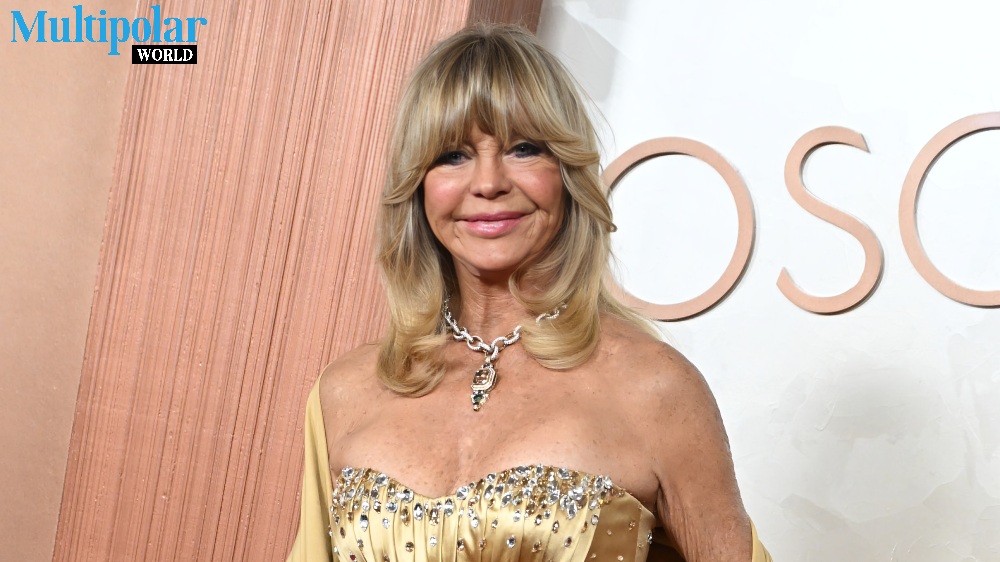
| Full Name | Goldie Jeanne Hawn |
| Date of Birth | November 21, 1945 |
| Birthplace | Washington, D.C., USA |
| Raised | Takoma Park, Maryland |
| Age (2026) | 80 years old (turned 80 November 21, 2025) |
| Height | 5 ft 6 in (1.68 m) |
| Nationality | American |
| Religion | Jewish Buddhist (“Jew-Bu”) — raised Jewish |
| Father | Edward Rutledge Hawn — musician and conductor; descendant of Edward Rutledge (youngest signatory of the Declaration of Independence) |
| Mother | Laura (née Steinhoff) Hawn — jewelry shop owner; dance school owner |
| Sister | Patti Hawn — entertainment publicist |
| Education | Montgomery Blair High School; American University (drama — dropped out) |
| Early career | Ballet and tap from age 3; corps de ballet The Nutcracker (age 10); ran own ballet school at 17; 1964 NY World’s Fair dancer; go-go dancer |
| TV breakthrough | Rowan & Martin’s Laugh-In (NBC, 1968–1970) |
| Oscar win | Best Supporting Actress — Cactus Flower (1969) |
| Oscar nomination | Best Actress — Private Benjamin (1980) |
| Key films | Cactus Flower (1969); The Sugarland Express (1974, Spielberg debut); Shampoo (1975); Foul Play (1978); Private Benjamin (1980); Swing Shift (1984); Overboard (1987); Death Becomes Her (1992); The First Wives Club (1996); Snatched (2017); The Christmas Chronicles (2018, 2020) |
| Directorial debut | Hope (1997, TV film) |
| Book | A Lotus Grows in the Mud (memoir, 2005 — bestseller) |
| Foundation | The Hawn Foundation (2003) — MindUP program; 48 countries |
| Husband 1 | Gus Trikonis — dancer/director; married 1969; divorced 1976 |
| Husband 2 | Bill Hudson — musician; married 1976; divorced 1982; children: Oliver (b.1976) and Kate Hudson (b.1979) |
| Partner | Kurt Russell — together since Valentine’s Day 1983; reconnected on Swing Shift (1984) |
| Son with Kurt | Wyatt Russell (b. July 10, 1986) — actor; Monarch: Legacy of Monsters |
| Stepson | Boston Russell (b. Feb 16, 1980) |
| Grandchildren | 8 — Ryder (2004), Wilder (2007), Bodhi (2010), Bingham (2011), Rio (2013), Rani (2018), Buddy (2021), Boone (2024) |
| Turned 80 | November 21, 2025 — Kate Hudson shared tribute |
| 2025–2026 life | Moved to mountain/river property; art; horses; family; grandchildren |
| Real estate | Malibu beach house (sold $9M+ July 2024); Pacific Palisades (listed $13M+ October 2025); Aspen; Vancouver |
| Net worth (2026 est.) | $90 million |
| Combined with Kurt | ~$190 million |
In 1969, a twenty-three-year-old woman from Takoma Park, Maryland — who had been teaching ballet lessons in her parents’ basement since she was seventeen, who had danced go-go in New York clubs to pay the bills, who had stumbled onto a NBC comedy programme called Laugh-In and found that playing a giggly blonde who forgot her lines and dissolved into helpless laughter was the most specific and most commercially powerful thing she could do — walked to the podium at the Academy Awards and received the Oscar for Best Supporting Actress for her first major film role.
She was twenty-three years old. She had been a professional actress for less than two years. She was, in the specific biographical grammar of Hollywood discoveries, a phenomenon whose arrival the industry had not anticipated and whose longevity it would have been wrong to predict.
Goldie Hawn is eighty years old in 2026. She has been with Kurt Russell since Valentine’s Day 1983 — forty-three years. She has eight grandchildren. She founded a programme called MindUP in 2003 that has been implemented in schools across 48 countries and has reached millions of children with the specific tools of mindful awareness and neuroscience-based social-emotional learning. She is a “Jew-Bu” — her own description of someone raised Jewish who found in Buddhist philosophy the specific framework for understanding the meditation practice that has sustained her since a transcendent experience she had at the age of nineteen.
Her great-great-great-great-grandfather signed the Declaration of Independence. She is one of the few people in Hollywood history who won an Oscar for her first significant film performance. She has never fully understood why her peers did not take her seriously as a dramatic actress. She turned eighty on November 21, 2025. She is, by Oliver Hudson’s recent account of life around his mother, waking up in the morning with joy.
Takoma Park and the Declaration of Independence
Goldie Jeanne Hawn was born on November 21, 1945, in Washington, D.C. — the capital city whose specific proximity to both the national government and the Maryland suburbs gave her a childhood shaped by the particular atmosphere of the greater Washington area’s professional and cultural life. She grew up in Takoma Park, Maryland — the small, progressive city on the DC border whose intellectual community, diverse population, and tree-lined residential character gave it the specific atmosphere of a place that produced people with both genuine curiosity and genuine social conscience.
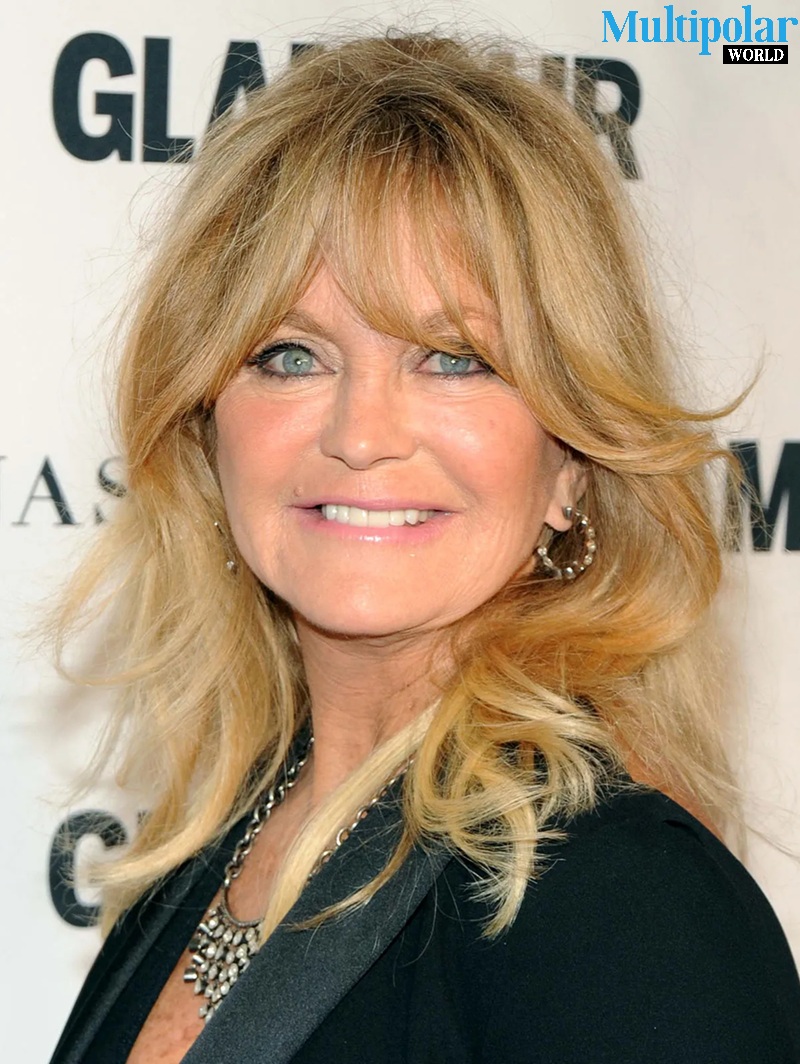
Her father, Edward Rutledge Hawn, was a musician and conductor — and a descendant, in the specific direct patrilineal sense, of Edward Rutledge, who was the youngest signatory of the Declaration of Independence in 1776 at the age of twenty-six. The biographical connection between the woman who would become one of the most beloved figures in American popular entertainment and the young South Carolina statesman who signed the founding document of the American republic is the kind of genealogical detail that most family trees do not contain and whose presence in this one reflects the specific longevity of the American experiment: eight generations between the signing and the actress.
Her mother, Laura Hawn née Steinhoff, owned both a jewelry shop and a dance school — the dual professional identity of a woman whose aesthetic sensibility and entrepreneurial instinct shaped the household’s daily culture. Laura’s dance school was the origin of Goldie’s performing life: ballet lessons from the age of three, tap alongside them, the specific physical education of a child whose mother’s professional life was organized around teaching children to move with discipline and grace.
Her sister Patti Hawn became an entertainment publicist — the professional orientation closest to the entertainment industry without being inside it. A brother died in infancy.
The family’s Jewish heritage — her maternal grandmother was a Jewish immigrant from Hungary — gave the household the specific cultural identity of the American Jewish professional class: the combination of intellectual aspiration, community values, and the particular cultural richness of a tradition that had survived everything modernity could produce. Goldie has described her Jewish identity as foundational throughout her adult life, even as her subsequent engagement with Buddhist philosophy gave it the specific supplement that she eventually described with the self-coined term “Jew-Bu.”
Ballet, Go-Go Dancing, and the Transcendent Experience at Nineteen
Goldie Hawn learned ballet from age three and tap alongside it, developing the specific physical vocabulary that dance training produces — the posture, the spatial awareness, the relationship to rhythm, and the specific confidence in one’s own body that sustained training gives to the people who commit to it early and seriously. By the age of ten she was dancing in the corps de ballet of The Nutcracker — the specific institutional recognition that she was technically proficient at a level above the recreational.
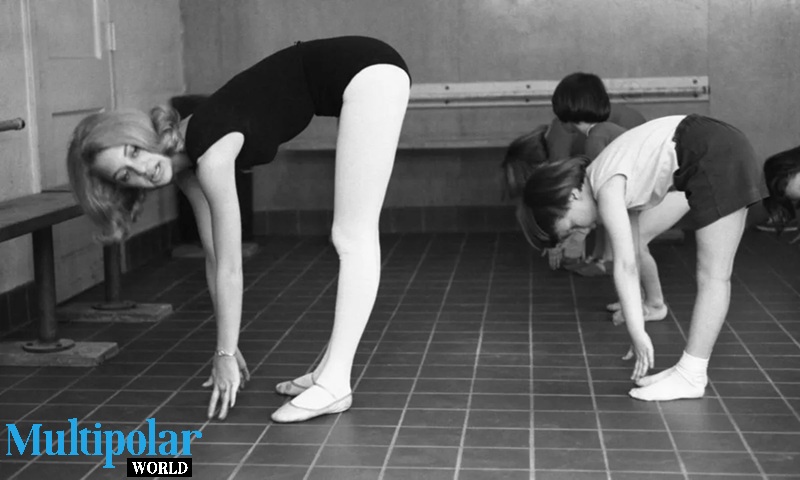
At seventeen or eighteen — the biographical accounts vary slightly in their specificity — she was running her own ballet school, teaching the students whose instruction her own formation had prepared her for. The school operated in her parents’ basement: the first business enterprise of a future producer and foundation-builder, managed at an age when most people are completing high school rather than running professional operations.
The transcendent experience that she has described as the foundation of her spiritual life occurred when she was nineteen — a moment, variously described across multiple interviews, in which she felt the specific dissolution of the boundary between herself and the world around her, the particular expansion of consciousness that mystical traditions across multiple cultures have documented and that she subsequently understood through the specific lens of Buddhist philosophy. She has described it as the event that gave her life its direction: not toward acting, which came later, but toward the understanding that the mind’s relationship to its own experience was the most important subject available to a human being.
She moved to New York. She danced at the 1964 New York World’s Fair — one of thousands of performers whose presence gave the fair’s entertainment programming its energy. She go-go danced in clubs to pay the bills — the specific survival economy of the young aspiring performer in New York, whose willingness to do whatever paid the rent while waiting for the opportunity that would actually matter is the foundational story of most entertainment careers.
She attended American University in Washington D.C. as a drama major and dropped out — the standard biographical marker of a performer whose classroom education seemed less urgent than the professional education available in New York’s working entertainment environment.
She went to Texas in 1967 to work in a theatre production. She was subsequently cast in the chorus of a Broadway production and then recommended for the television programme that would change everything.
Laugh-In, the Giggly Blonde, and the Oscar That Arrived First
Rowan & Martin’s Laugh-In premiered on NBC in January 1968 — the comedy variety programme whose rapid-fire format, topical political satire, and rotating cast of comedic performers captured the specific energy of the late 1960s American counterculture in a form that network television could accommodate. Goldie Hawn joined the cast in its first season and immediately became its most distinctive presence: the giggly blonde who forgot her lines, dissolved into laughter at the wrong moments, read cue cards with the endearing transparency of someone who had not quite memorised the material, and whose specific combination of genuine warmth and apparent helplessness was, in reality, a precisely calibrated comic performance.
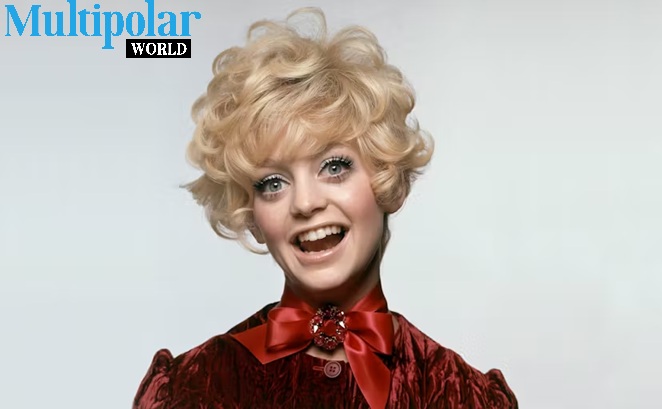
The character — which was not entirely separate from the person, but was also not entirely the same as her — connected with the American television audience in the specific way that authentic-seeming personalities in manufactured contexts tend to connect: with the warmth of recognition, the pleasure of watching someone who seems genuinely human rather than professionally produced. She was on Laugh-In through 1970 and received two Primetime Emmy Award nominations for her work.
Before Laugh-In had concluded its run, her first significant film performance had already earned her an Academy Award. Cactus Flower (1969) — the romantic comedy directed by Gene Saks and adapted from the Broadway play — cast her as Toni Simmons, a free-spirited young woman involved with a dentist played by Walter Matthau, whose performance and Ingrid Bergman’s co-starring work gave the film its tone and its warmth. Goldie Hawn’s specific quality as Toni — the comedic timing, the emotional accessibility, the particular combination of apparent artlessness and genuine intelligence — was sufficiently distinctive that the Academy nominated her for Best Supporting Actress.
She won. She was twenty-three years old. It was her first major film role. She received the Oscar at an age when most actors are still building the résumé that might eventually generate a nomination. She cried at the podium with the specific unguarded emotion of someone who had not managed the possibility of winning and who was therefore experiencing it without the protective distance of preparedness.
The Sugarland Express, Private Benjamin, and the Serious Actress Nobody Quite Believed In
The decade and a half following Cactus Flower documented Goldie Hawn’s sustained attempt to establish herself as a dramatic actress of genuine capability alongside the comedic identity that Laugh-In and the Oscar had fixed in the public mind.
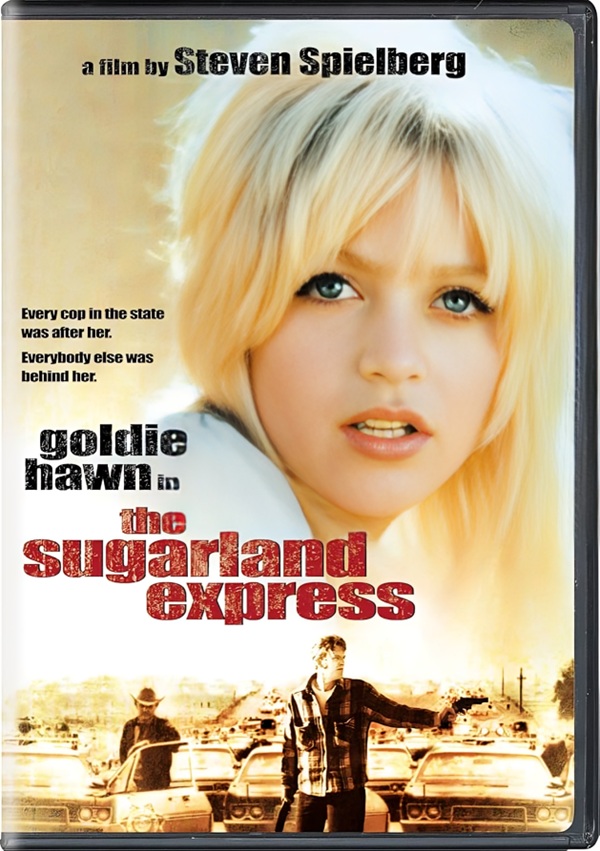
The Sugarland Express (1974) — Steven Spielberg’s theatrical feature film debut, in which she played a Texas woman who orchestrates her husband’s escape from prison and leads police on a prolonged chase — was the clearest early demonstration that her range extended significantly beyond the giggling blonde. Spielberg worked with her on the specific demands of a role whose emotional trajectory moves from comic desperation to genuine tragedy, and the result was a performance of sustained humanity whose critical reception was positive without quite breaking through the specific association that her previous work had established.
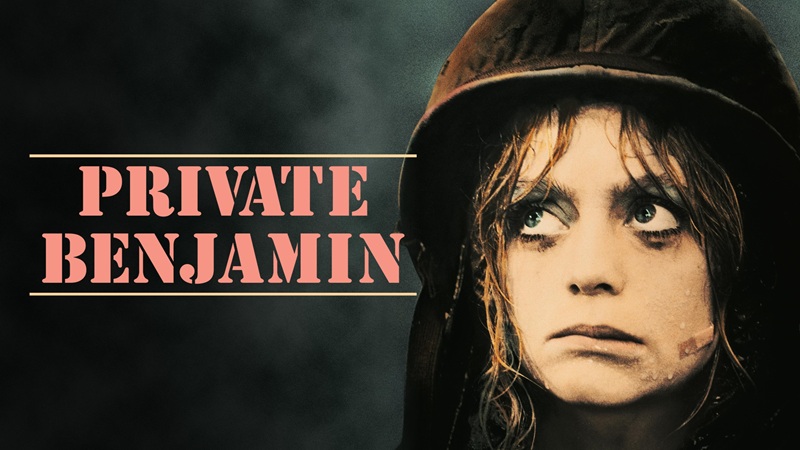
Private Benjamin (1980) — in which she played Judy Benjamin, a pampered socialite who accidentally enlists in the Army and discovers both her own capabilities and a version of herself she had not previously had access to — was the film whose commercial and critical success most completely demonstrated the range that the industry had been slow to fully acknowledge. She co-produced the film through Goldie Hawn Productions, taking the specific creative ownership of her most important project that the standard actress-for-hire model would not have permitted. The film was nominated for Academy Award for Best Picture. She received an Academy Award nomination for Best Actress — her second Oscar recognition, for the role she had helped create and produce.
Between these and across them: There’s a Girl in My Soup (1970); Butterflies Are Free (1972); Shampoo (1975, with Warren Beatty); Foul Play (1978, with Chevy Chase); Seems Like Old Times (1980) — a filmography whose consistent commercial success across comedy and the growing range of dramatic work demonstrated that the Laugh-In persona had not limited her career but had instead provided it with the specific popular foundation that her subsequent range could build upon.
Swing Shift, Valentine’s Day 1983, and the Partnership That Replaced Two Marriages
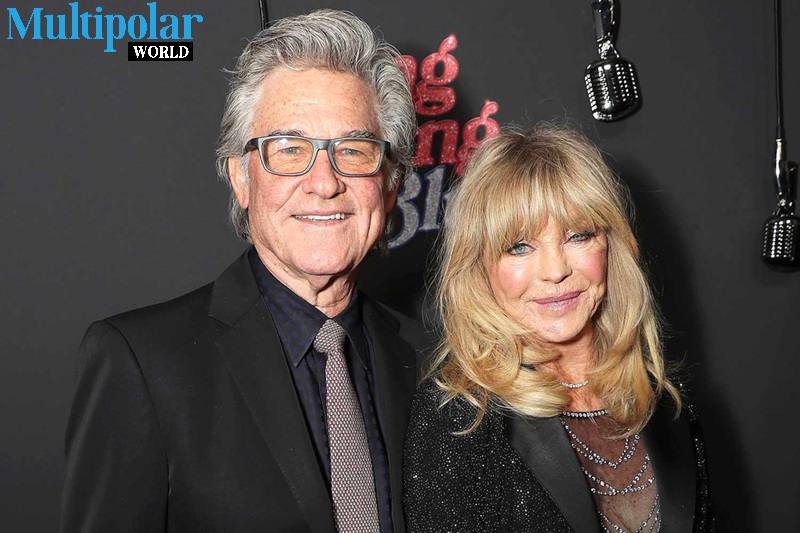
Goldie Hawn Kurt RussellGoldie Hawn had been married twice before she met Kurt Russell on the set of Swing Shift (1984) — or more precisely, before she began the relationship with him that Swing Shift enabled them to resume.
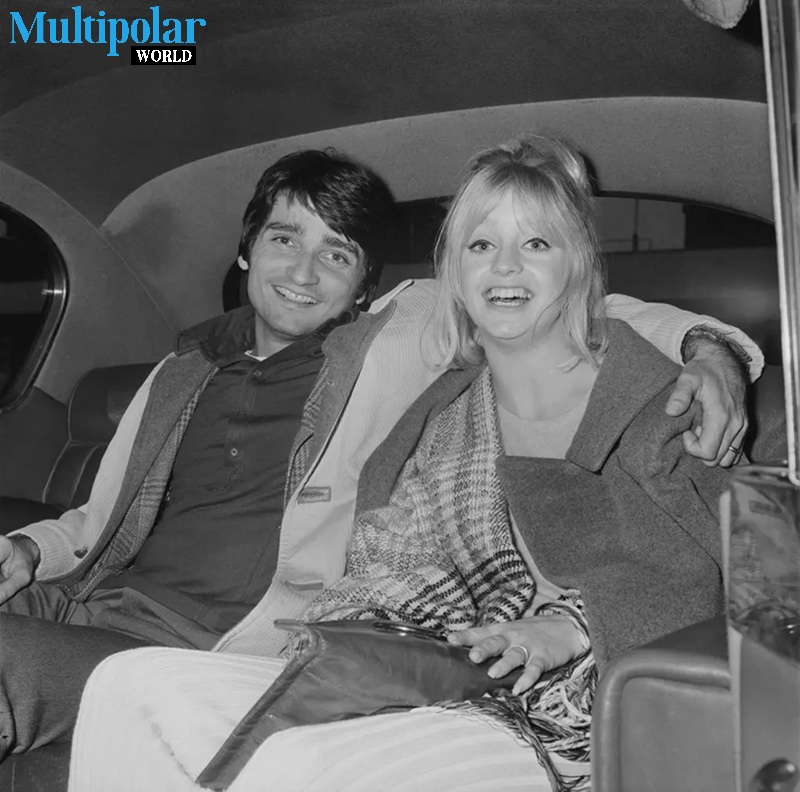
Her first marriage was to Gus Trikonis — a dancer and later director who she married in 1969, the year of her Oscar, and from whom she divorced in the mid-1970s. Her second marriage was to Bill Hudson — the musician who was one of the Hudson Brothers — whom she married in 1976 and from whom she divorced in 1982. With Hudson she had two children: Oliver Hudson, born September 7, 1976, and Kate Hudson, born April 19, 1979 — both of whom subsequently built their own significant careers in the entertainment industry.
The relationship between Goldie and Bill Hudson ended badly enough that Oliver and Kate Hudson have both spoken publicly about the complicated nature of their relationship with their biological father and the specific gratitude they feel toward Kurt Russell — who has functioned as their primary father figure since they were children — as a counterpoint to Hudson’s absence. Kate Hudson has described Kurt as the most important male presence of her childhood. Oliver Hudson has been similarly specific about the emotional landscape of a relationship whose biological father declined the role that the stepfather occupied.
She had first met Kurt Russell in 1968 on the set of The One and Only, Genuine, Original Family Band — Disney’s musical family film in which both were teenagers appearing in minor roles. They did not begin a relationship. Fifteen years passed.
On Valentine’s Day, February 14, 1983 — the relationship began. The specific romantic providence of the date has been noted across every account of their partnership. When Swing Shift (1984) — the film set during World War II, in which she played a factory worker and he played her love interest — went into production the following year, they were already a couple.
Their son Wyatt Russell was born on July 10, 1986 — the child who would, forty years later, play the younger version of his father’s character in a Godzilla franchise television series on Apple TV+, walking the red carpet premiere in Los Angeles with his father in February 2026.
Why no marriage? The reasoning that both have consistently offered is the same: the relationship works because it is renewed daily rather than legally anchored once. “We wake up every day and choose each other,” is the essence of what both have said across multiple interviews across multiple decades. Forty-three years is, by any reasonable assessment, the evidence whose weight speaks for itself.
Death Becomes Her, The First Wives Club, and the Comedy Peak
Overboard (1987) — in which she and Kurt Russell played a wealthy amnesiac and the working-class man who exploits her memory loss — was the first of their five films together and the one whose specific comedic dynamic, built on the actual chemistry of a couple who found each other genuinely funny, gave it a quality that the subsequent 2018 remake could not replicate.
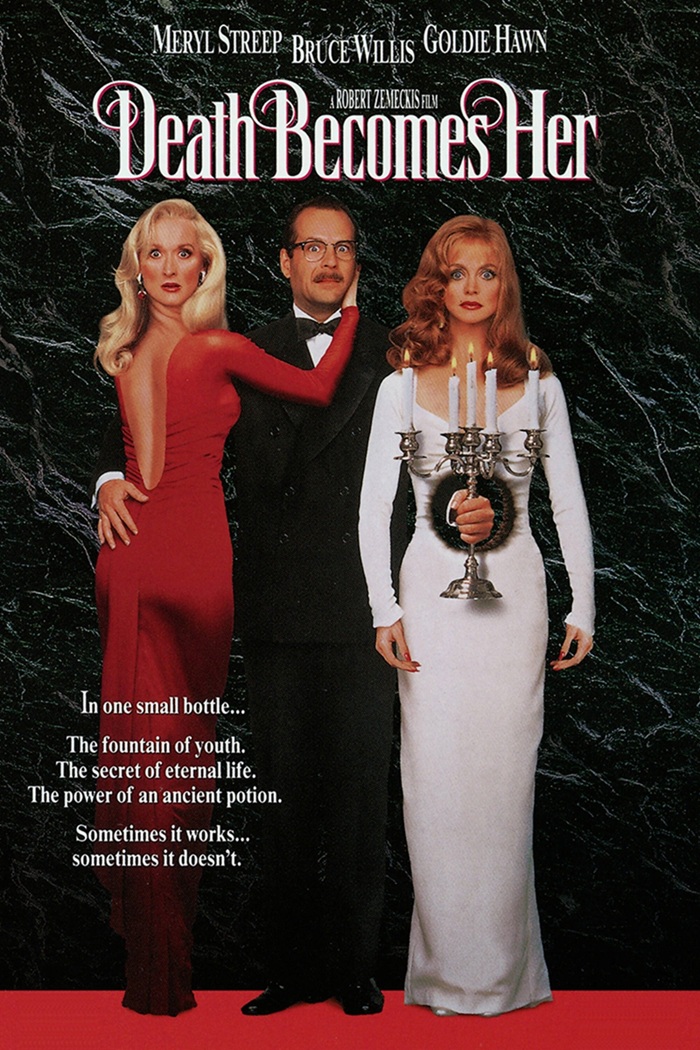
Death Becomes Her (1992) — Robert Zemeckis’s dark comedy in which she played Madeline Ashton, a vain actress who drinks an immortality potion alongside Meryl Streep’s Helen Sharp and Bruce Willis’s hen-pecked plastic surgeon — is the film whose specific combination of physical comedy, visual effects, and the sustained satirical intelligence of two Oscar-winning actresses playing women who are simultaneously each other’s worst enemy and each other’s only peer represents Goldie Hawn’s most technically complete comedic performance.
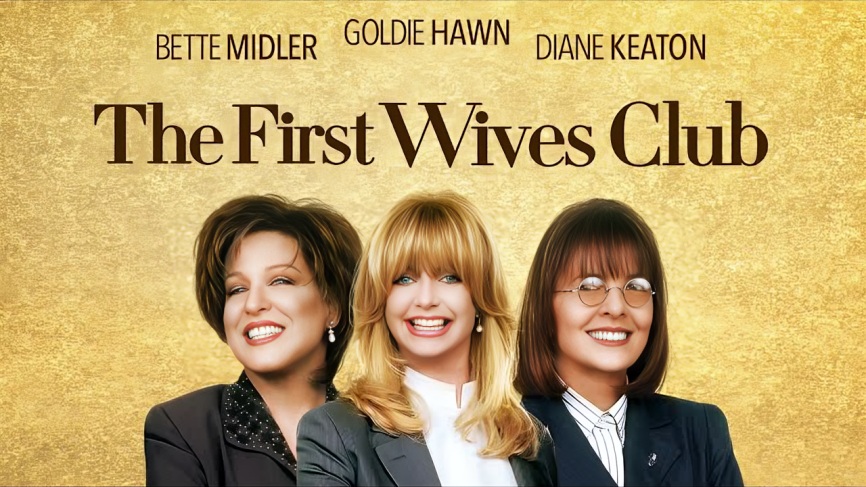
The First Wives Club (1996) — Hugh Wilson’s comedy of revenge in which she, Bette Midler, and Diane Keaton play three college friends who unite to take revenge on the husbands who left them for younger women — was the commercial peak of her career’s comedic chapter: the film grossed over $100 million domestically against a modest budget, demonstrated that a female-led comedy with a cast whose average age was in the early fifties could be one of the year’s most commercially successful films, and generated the specific cultural moment of three women singing “You Don’t Own Me” at the film’s conclusion that has remained one of the decade’s most joyful cinematic images.
The Hiatus, Snatched, and the Return
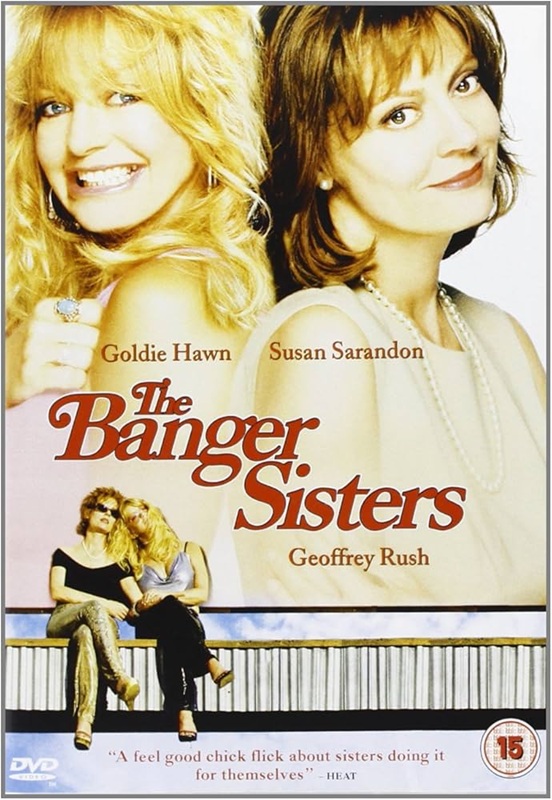
After Town & Country (2001) and The Banger Sisters (2002), Goldie Hawn effectively withdrew from acting — a hiatus that lasted approximately fifteen years, during which she focused on her foundation work, her family, her meditation practice, and the specific pleasures of a life whose organisation was no longer driven by the Hollywood production calendar.
The return came in 2017 with Snatched — the comedy in which she played Amy Schumer’s mother on a disastrous mother-daughter vacation. The casting was Schumer’s specific insistence: the studio was reluctant to cast a performer whose fifteen-year absence had removed her from the commercial conversation, and Schumer threatened to walk away from the project if Goldie was not cast. She did not walk away. Goldie was cast. The film opened at number one.
The Christmas Chronicles (2018) and The Christmas Chronicles: Part Two (2020) on Netflix gave her the specific pleasure of playing Mrs. Claus opposite Kurt Russell’s Santa — the fifth time they had appeared in a film together, and the most overtly domestic of the five, the couple playing the most iconic couple in Western cultural mythology with the specific ease of people who have been practising for forty years.
MindUP: The Foundation That Reached 48 Countries
The most significant work of Goldie Hawn’s adult life is not a film. It is the Hawn Foundation and its educational programme MindUP — which she founded in 2003, which has been implemented in schools across 48 countries, and which has reached millions of children with a curriculum based on neuroscience, mindful awareness, and the specific tools of social-emotional learning whose development was shaped by Goldie’s own decades of meditation practice.
The foundation’s origin is in her own experience of the specific vulnerability of children’s mental health and the specific inadequacy of most educational systems’ response to it — her conviction, developed across years of research and engagement with neuroscientists and educators, that what children most needed was not more academic content but the specific skills of managing their own minds: how to focus attention, how to regulate emotion, how to understand the difference between a thought and the reality it refers to.
MindUP’s curriculum — developed with neuroscientists, educators, and psychologists — teaches children how their brains work, how mindful breathing can shift their neurological state, how gratitude and optimism can be cultivated rather than simply wished for. Its implementation across 48 countries is the accumulation of two decades of sustained institutional development by an organisation whose founder brings to it both the public platform of a celebrated actress and the specific intellectual seriousness of someone who has spent sixty years developing the personal practice whose principles the curriculum teaches.
She received the Luminaria Award from the Alliance of Women Film Journalists for her humanitarian work. She was the first female actor-producer honoured by the American Museum of the Moving Image in 1997. Her memoir, A Lotus Grows in the Mud (2005), became a bestseller whose specific combination of personal history and philosophical reflection reflected the specific voice of someone whose Buddhism is not a pose but a practice.
Turning Eighty: The Family at the Centre
On November 21, 2025, Goldie Hawn turned eighty years old. Her daughter Kate Hudson shared a tribute on social media — the specific public celebration of a milestone birthday whose private dimension the family managed in whatever way the family manages things that matter most to them.
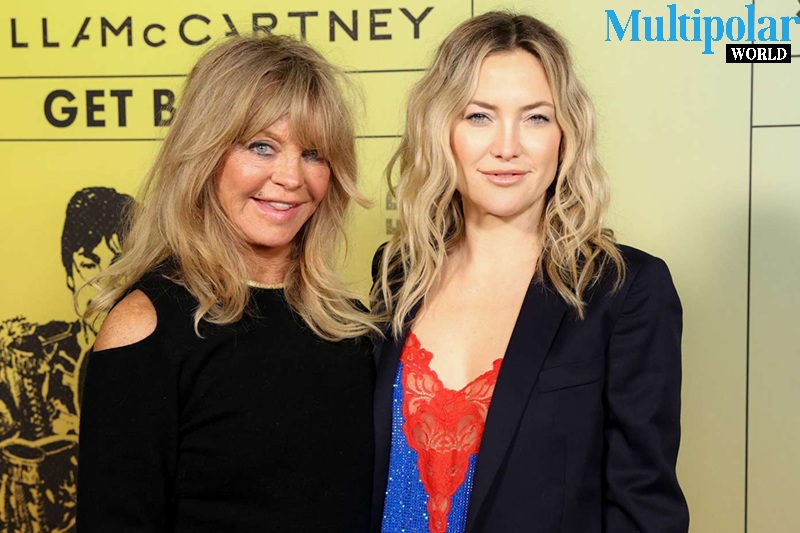
Her eight grandchildren represent the full generational arc of the family she and Kurt Russell have anchored across four decades: Ryder Russell Robinson (b. January 7, 2004, Kate’s son with Chris Robinson); Oliver Hudson’s children with Erinn Bartlett — Wilder Brooks (b. 2007), Bodhi Hawn (b. 2010), and Rio Laura (b. 2013); Kate’s subsequent children — Bingham Hawn Bellamy (b. July 9, 2011, with Matthew Bellamy) and Rani Rose Hudson Fujikawa (b. October 2, 2018, with Danny Fujikawa); and Wyatt and Meredith Hagner’s two sons — Buddy Prine Russell (b. March 11, 2021) and Boone Joseph Russell (b. February 13, 2024).
Eight grandchildren. Four children. One partner for forty-three years.
Oliver Hudson’s recent description of his mother’s daily life is the most available biographical portrait of what eighty looks like for Goldie Hawn: “Waking up in the morning is joyful.” She has moved to a property that she described as a “pocket of heaven in the mountains on the river.” She paints. She rides horses. She is with Kurt. She is with the grandchildren when they come. She meditates. She has been meditating since she was nineteen years old, when something happened that she has spent the subsequent sixty-one years trying to understand and articulate.
Net Worth: The Ninety Million Architecture
| Income Source | Estimated Contribution |
|---|---|
| Cactus Flower (1969) — Oscar win | Career foundation |
| Private Benjamin (1980, co-produced) — Oscar nom, $100M+ | Significant producing backend |
| Swing Shift (1984); Overboard (1987) | Star salary |
| Bird on a Wire (1990); Death Becomes Her (1992) | Peak star fees |
| The First Wives Club (1996) — $100M+ domestic | Major commercial backend |
| Goldie Hawn Productions — multiple productions | Producing income across career |
| Snatched (2017) | Return film fee |
| The Christmas Chronicles (2018, 2020, Netflix) | Netflix deal fee |
| A Lotus Grows in the Mud memoir (2005) | Bestseller advance + royalties |
| Real estate — Malibu sold ($9M+ July 2024); Pacific Palisades listed ($13M+ Oct 2025); Aspen; Vancouver | Significant asset values |
| Hawn Foundation / MindUP | Nonprofit — not personal income |
| Estimated Total Net Worth (2026) | $90 million |
| Combined with Kurt Russell | ~$190 million |
Conclusion
Goldie Hawn was born in Washington D.C. on November 21, 1945, a descendant of the youngest man who signed the Declaration of Independence. She learned ballet at three, ran her own school at seventeen, go-go danced in New York, joined Laugh-In and made America love a giggly blonde who forgot her lines, won the Oscar at twenty-three for her first major film role, co-produced Private Benjamin and got nominated for the Oscar again at thirty-four, made Death Becomes Her and The First Wives Club and demonstrated that comedy at the highest level is as serious as anything else the industry produces, began a relationship with Kurt Russell on Valentine’s Day 1983 and has never ended it, raised Oliver and Kate Hudson alongside their biological father’s absence and Wyatt alongside their father’s consistent presence, founded MindUP and put it in 48 countries, wrote a memoir that became a bestseller, turned eighty in November 2025, and is now living in a pocket of heaven in the mountains on a river with the man she has been choosing every morning for forty-three years.
She is eighty years old. She is still choosing him. She is still teaching children to understand their own minds. She started meditating at nineteen. The practice continues.
FAQs
1. What is Goldie Hawn’s net worth in 2026? Goldie Hawn’s estimated net worth in 2026 is approximately $90 million, accumulated through six decades of film work including co-producing Private Benjamin and The First Wives Club, her production company, real estate holdings, and her Netflix Christmas Chronicles films. Combined with Kurt Russell’s $100 million, their household net worth is approximately $190 million.
2. How many children and grandchildren does Goldie Hawn have? Goldie Hawn has three children: Oliver Hudson (b. 1976) and Kate Hudson (b. 1979) with Bill Hudson, and Wyatt Russell (b. 1986) with Kurt Russell. She has eight grandchildren: Ryder (2004), Wilder (2007), Bodhi (2010), Bingham (2011), Rio (2013), Rani (2018), Buddy (2021), and Boone (2024).
3. Why did Goldie Hawn never marry Kurt Russell? Both have consistently explained that the relationship works because it is renewed as a daily choice rather than a legal commitment. Kurt Russell has said “a marriage certificate wasn’t going to create anything that otherwise we wouldn’t have.” They have been together since Valentine’s Day 1983 — forty-three years.
4. What is the MindUP Foundation? MindUP is the educational programme developed by Goldie Hawn’s Hawn Foundation, founded in 2003. Based on neuroscience, mindful awareness, and social-emotional learning, it has been implemented in schools across 48 countries and has reached millions of children with tools for managing attention, regulating emotion, and understanding how their brains work.
5. What was Goldie Hawn’s first Oscar-winning role? Goldie Hawn won the Academy Award for Best Supporting Actress for her role as Toni Simmons in Cactus Flower (1969) — her first major film role. She was twenty-three years old at the time, making it one of the earliest Oscar wins in Hollywood history relative to a performer’s career.
6. What is Goldie Hawn’s ancestry? Goldie Hawn is of Jewish and Protestant descent. Her maternal grandmother was a Jewish immigrant from Hungary. Her father, Edward Rutledge Hawn, is a descendant of Edward Rutledge — the youngest signatory of the Declaration of Independence in 1776 at the age of twenty-six.
